


Prime Minister Narendra Modi and US President Donald Trump spoke over the phone for 40 minutes on April 14, which was their first personal exchange since the signing of the ceasefire deal between the United States and Iran in West Asia. It has been officially stated that Modi and Trump took an assessment of the bilateral relationship and discussed the emerging geopolitical developments in the Middle East region during the call. Further, both the sides emphasized their resolve to enhance the Comprehensive Global Strategic Partnership.
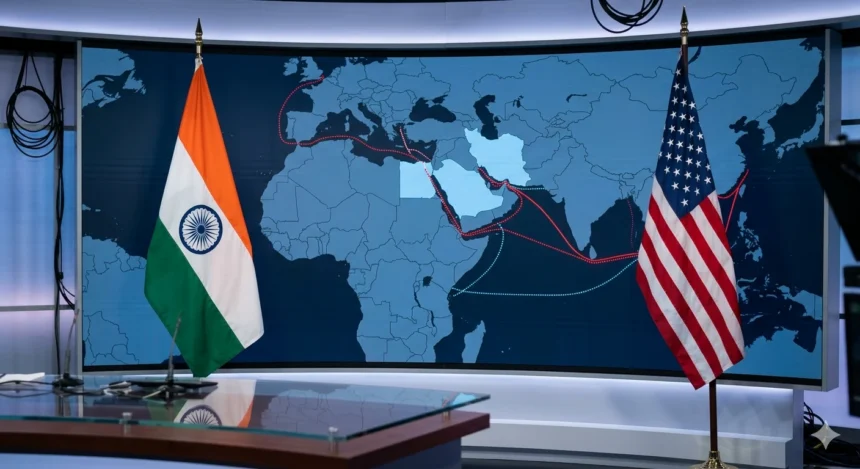
It is quite essential to consider the background of this interaction between the two leaders, especially when there has been a disruption in the energy supply lines due to the conflict in the region. There have been some recent developments in the market, including the rise in crude oil prices. Considering that the Strait of Hormuz carries almost one-fifth of the total energy reserves of the world, both the sides felt it necessary to discuss how the channel can be kept open for safe passage of ships.

From the perspective of Indian investors, the discussion has ramifications on both markets and macroeconomic stability. The Strait of Hormuz must be stable since India is one of the countries that import a sizeable amount of its requirements for crude oil. Any disruptions or exacerbations in the area might increase oil prices, thus creating inflationary pressures and affecting the fiscal balance. In the NSE and BSE, sectors like oil marketing firms, aviation, and logistics will likely react strongly to such events. However, better trade ties between India and the United States might favor export-related industries such as IT and pharmaceuticals.
In the coming period, investors must pay attention to diplomatic engagements between global superpowers and the US approach towards Iran. Shipping trends, crude oil price behavior, and trade agreements would still be vital triggers for market sentiment. With geopolitical risk factors continuing to affect international stock markets, commodity and foreign exchange rates will likely stay volatile. Moreover, traders need to take note of the comments from the central banks, especially when oil prices continue to exert pressure on the energy sector.
Investors should seek the advice of a SEBI-registered financial advisor before investing.
Reviewed for accuracy and last updated on April 14, 2026.