


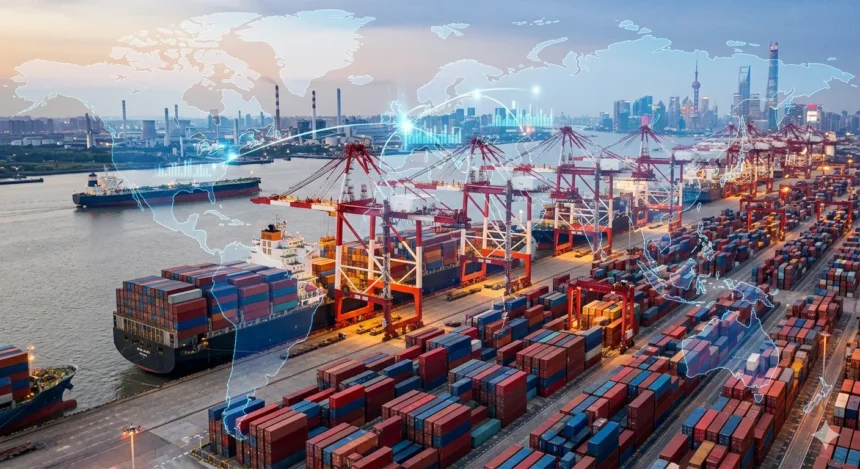
The growth of exports slowed considerably in China in March due to year-on-year growth of only 2.5% in the exports to other countries. This figure is significantly lower than expected by analysts, and much lower compared to the previous month. During this period, imports rose by almost 28%, leading to a trade surplus worth $51 billion, the lowest in more than a year.
The slowdown occurred due to growing geopolitical concerns, after the tension that erupted in Iran, which affected the transport of energy resources around the world, resulting in high prices in oil across the globe. The main problem with the global economy was the effect on the Hormuz Strait, through which the majority of global oil and liquefied natural gas shipments travel. Increased production expenses are currently putting pressure on China’s manufacturing sector, particularly the producers of consumer goods including plastics and fabrics. On the other hand, healthy global demands for tech products were beneficial. Export of integrated circuits and electric machinery remained high due to investment in artificial intelligence and electronics.

The data implies a complex outlook for Indian investments. Any decline in Chinese exports may suggest weak global demand, adversely affecting Indian companies that export chemicals, textile products, and engineering products. But an increase in Chinese imports may imply robust domestic demand in China, which would positively impact companies engaged in exporting commodities. High oil prices due to geopolitical tensions pose significant risks to India since it heavily relies on imports for meeting its requirements. The NSE and BSE sectors, such as Information Technology and Metals, might respond based on global demand, while the inflation-sensitive sectors would be under pressure due to continued high crude prices.
In the future, market participants would watch if the economic slowdown is a one-off phenomenon or indicative of slowing global trade. They need to keep an eye on factors such as cargo movements from Chinese ports, the trajectory of global crude prices, and global manufacturing data. Furthermore, the impact of the policies of central banks to tackle soaring energy costs would be critical, since stringent measures would reduce global demand. Uncertainties surrounding the conflict between Iran and other countries may continue to impact the global economy.
Investors are encouraged to take advice from a SEBI-registered financial advisor before investing.
Reviewed for accuracy and last updated on April 14, 2026.