


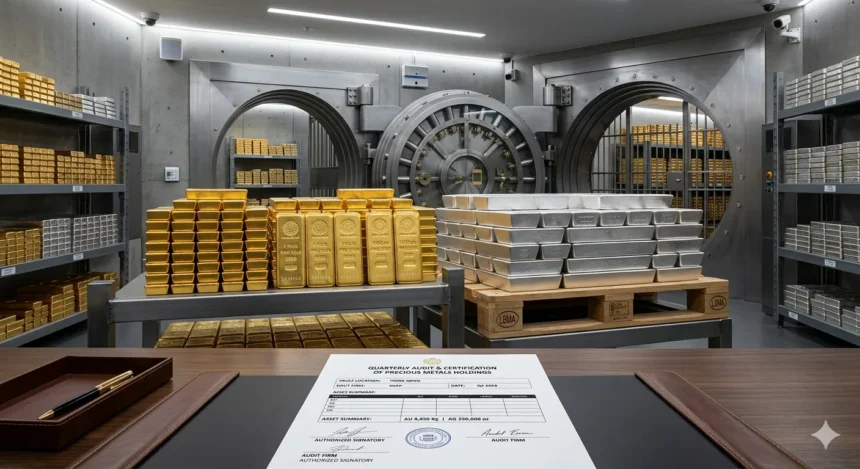
Notification No. 06/2023-DGFT dated April 17, 2023, was issued by the DGFT with regard to importing gold and silver by banks in India. According to the new notification, a total of 15 banks have been authorized to import gold and silver, whereas two banks, Union Bank of India and SBER Bank, have been authorized to import gold alone during the period from April 1, 2026, to March 31, 2029. The notification has been amended based on the approval obtained from the RBI and modifies Appendix 4B of the Foreign Trade Policy (FTP) Handbook of Procedures, 2023.
The banks authorized to import gold and silver include major banks such as State Bank of India, HDFC Bank, ICICI Bank, Punjab National Bank, Kotak Mahindra Bank, Axis Bank, etc. The issuance of this notification is crucial because the old authorization had expired on March 31, 2026. In the absence of a new list, banks had stopped importing fresh consignments of gold and silver, whereas consignments already shipped to India were held up at Indian ports.

Gold and silver are some of the commodities for which India happens to be one of the largest consumers globally. As such, India depends a lot on imported supplies to cater to domestic consumption needs, especially during festivals and wedding seasons. The delay in issuing new permits was causing some anxiety among bullion merchants and traders regarding any possible disruption in supply lines and fluctuations in price levels. It has been reported that many tonnes of bullion supplies were stuck at customs before the DGFT made its decision.
From an Indian investor’s perspective, the news is significant both for the commodity markets and stocks associated with precious metals. Gold and silver prices in India tend to have close links to imports, currency movements, and international trends. Any kind of disruption in the flow of supplies often leads to price spikes in the short term. Now that the imports are back on track, the fluctuations in the domestic price levels of bullion may stabilize.
In conclusion, for future investments, the investor must keep an eye on gold and silver price fluctuations in the international markets, rupee and dollar exchange rate variations, as well as changes in import figures. In addition, there can be policy shifts in regard to import duties and other issues that may affect supply and demand equations. Finally, it should be noted that changes in the external environment affecting the price of precious metals in India should not be overlooked.
Investors are recommended to seek the advice of a financial advisor registered with SEBI.
Reviewed for accuracy and last updated on April 17, 2026.