


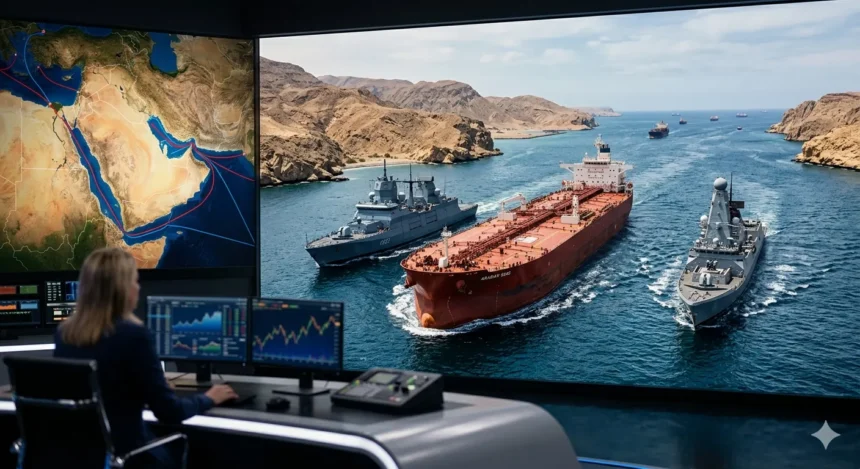
According to the latest reports from Iran, there have been no transit fees levied on any Indian ship sailing through the Strait of Hormuz. This was confirmed by Iran’s ambassador to India, Mohammad Fathali, during a conversation held on April 14. This news came up after worries arose when U.S. President Donald Trump advised against paying any amount to Iran for allowing smooth transit of ships in the strait. This announcement came as Washington is enforcing new regulations related to shipping vessels from Iranian ports.
This development occurred after an intense phase in the Middle East, where conflict had caused significant disruptions to energy routes. As mentioned before, the Strait of Hormuz plays a crucial role in international shipping since it accounts for about 20 percent of total oil and natural gas deliveries across the globe. Whereas the U.S. government has initiated a crackdown on ships operating out of Iranian ports, India has insisted that it hasn’t paid any transit fees for its ships. However, sources suggest that there are still about 15 ships flagged to India that remain stranded in the Persian Gulf because of restrictions on the maritime industry.

Despite being a positive development, the news is of limited help to Indian markets. It would be helpful to realize that India is a net importer of crude oil, which means any disruption to the Strait of Hormuz would impact its supplies. Moreover, even without the toll cost, geopolitical tensions can lead to higher freight rates and insurance premiums. All these factors would add up and result in increased costs for importing oil into India. The problem may be linked to the rise in inflation and affect the shares of aviation companies, oil marketers, and logistics companies listed at the NSE and BSE.
As an investor, you need to keep monitoring the situation in the region, looking out for any changes in the US policy and activities within the Persian Gulf. You should also watch the development in terms of the vessels stranded in the waters and their insurance premium rates. Finally, the trend in the crude oil price will be a critical factor for Indian equities since it can be easily linked to the cost for energy-intensive industries.
It is recommended that investors contact a SEBI-certified financial advisor prior to investing.
Reviewed for accuracy and last updated on April 14, 2026.