


Russia Sells Gold After 25 Years – Is a Bigger Signal Emerging for Global Markets?
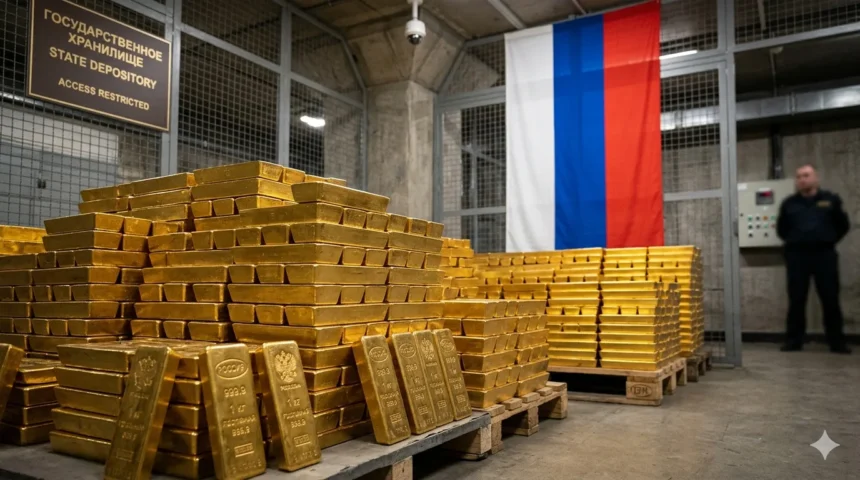
Russia has reportedly sold gold bars for the first time in more than 25 years, a major move in the nation’s gold reserve portfolio as it seeks to fund a growing budget deficit fueled by high levels of military spending.
The nation’s gold reserve portfolio has captured the attention of the world’s markets, as a signal from the nation’s central bank has traditionally been a major indicator of the state of the world’s markets.

Immediate Market Reaction
The gold market has always been sensitive to the actions of the world’s central banks:
- The gold prices may be influenced in the short term by the increase in gold supply.
- The safe-haven sentiment may be influenced in a conflicting manner.
- The world’s commodities traders are keenly observing the gold prices reacting to the news.
Gold is closely monitored globally and responds not only to the supply but also the intent behind the supply.
Supply–Demand Angle
The sale has also brought in an important factor:
- Selling by central banks → adds supply in the market.
- Market view → indicates a potential shift in reserve positioning.
- Demand side → remains under geopolitical uncertainty.
While the size of the sale is important, it is also true that it sends an important message.
Why This Move Matters
Russia has been one of the biggest accumulators of gold in its reserves, especially in periods of geopolitical tension.
The decision to sell gold now indicates:
- Increased fiscal pressure.
- Need for liquidity in an environment of high expenditure.
- A shift in reserve positioning.
All this is especially interesting because it is a long-term store for central banks.
Analyst View
Experts view this trend as something to monitor rather than react to.
“Central bank gold transactions are less about immediate price impact and more about macro signals,” said a commodities analyst.
In the event that this trend is sustained in terms of sales, there could be a structural shift in terms of gold demand-supply.
Broader Context
The sale is occurring in an environment characterized by:
- Elevated geopolitical tensions.
- Rising military expenditure.
- Economic uncertainty.
In such an environment, gold is known to benefit. This decision is therefore surprising and is being watched closely.
What Traders Should Watch
- Russia’s gold sales volume and frequency.
- Global gold price movements.
- Central bank gold purchases in other nations.
- US dollar and bond yield movements.
- Safe-haven demand indicators
Bigger Signal for Markets?
Abrupt moves by central banks in their reserve management are unusual.
What Russia’s sale of gold implies is a big question for all of us.
Is this a one-time move for liquidity, or is this a change in trend?
For traders, this is not about gold supply.
This is about one of the world’s biggest reserve holders sending a signal in uncertain times.
In macro markets, actions talk louder than reserve.
Disclaimer:
This article should not be considered investment advice in any form or manner. The commodity market is highly volatile and involves risks at the global level. It is advised that readers seek advice from certified financial planners before making investment decisions.
Reviewed for accuracy and last updated on March 27, 2026.